Old Shed Removal & Demolition in Gosport: A Practical Guide
A practical homeowner guide to old shed removal and demolition in Gosport, covering safety, dismantling steps, disposal options, and hiring professional help.
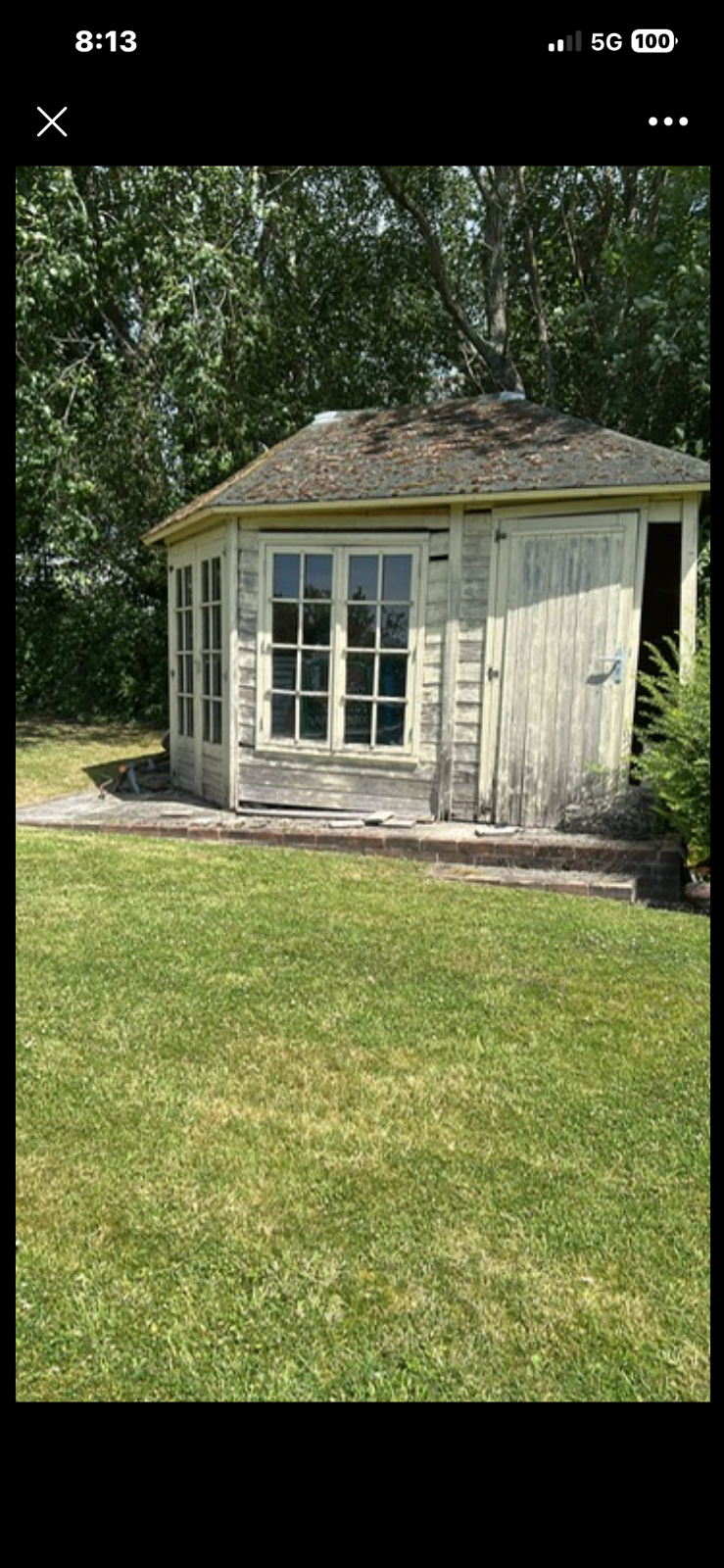
Weather-battered by coastal winds along the Solent, many timber outbuildings in Hampshire eventually succumb to damp, timber rot, and structural decay. A dilapidated garden shed can quickly turn an attractive outdoor space into an eyesore. When a garden building reaches the point where repairs are no longer cost-effective, arranging old shed removal & demolition in Gosport becomes the sensible path forward.
Whether you plan to tackle the teardown yourself or call in an experienced clearance team, dismantling a garden structure requires careful planning, the right tools, and an understanding of legal waste disposal. In this comprehensive guide, we walk you through the entire process—from assessing structural safety and removing contents to dismantling panels and recycling timber responsibly.
Signs Your Shed Has Reached the End of Its Life
Garden sheds withstand years of harsh British weather, but timber outbuildings rarely last forever. Before investing money in new felt or replacement cladding, consider whether the building is structurally sound enough to save.
Here are common signs that indicate it is time for demolition:
- Extensive dry or wet rot: If the bottom bearers, corner posts, or floor joists have rotted away, the building has lost its structural foundation. Poking suspicious wood with a screwdriver will quickly reveal whether the timber has softened beyond repair. - A sagging or collapsed roof ridge: When roof purlins warp or snap, water pools on the felt. This causes rot that spreads rapidly down into the side framing. - Persistent leaks and internal mould: If damp has penetrated deep into the roof decking and wall panels, timber often warps, pulling frame joints apart. - Subsidence or leaning frames: Strong gale-force winds across coastal Gosport frequently push unanchored or weakened sheds off plumb. Once a shed leans significantly, the risk of sudden collapse increases. - Pest harbourage: Old sheds with rotted floors often become nesting grounds for rodents and feral pests seeking shelter underneath damaged floorboards.
If your building displays several of these problems, repair work will usually cost more than installing a fresh replacement. Taking down the unsafe structure is the best route to reclaiming your outdoor space.
Planning and Preparation: What to Do First
Demolishing an outbuilding is not simply a matter of taking a sledgehammer to the walls. Proper preparation ensures the job stays safe, clean, and manageable from start to finish.
Clear Out the Contents
Before touching a single panel, empty every item from the interior. Decades of stored lawnmowers, paint tins, broken garden furniture, plant pots, and hand tools need sorting. Group items into things you want to keep, items to donate, and genuine waste. If your outbuilding is filled to the brim with accumulated clutter, booking a dedicated shed clearance service can clear the space quickly before dismantling begins.
Disconnect Utilities
Many homeowners install electrical feeds for lighting, freezers, or power tools in their garden workshops. Always isolate and completely disconnect any electrical wiring before attempting demolition work. Never cut live armoured cable or remove fixtures without turning off the circuit at the consumer unit. If you are unsure, hire a qualified electrician to safely terminate the supply.
Protect Surrounding Garden Features
Identify delicate plants, boundary fences, greenhouses, and patio slabs located close to the work area. Cover nearby paving with heavy-duty tarpaulins or wooden boards to prevent gouges caused by dropped timber, rusty nails, or falling roof felt.
Step-by-Step Guide to Dismantling a Timber Shed
If you have practical DIY experience, a sturdy pair of work gloves, and an extra pair of hands, you can dismantle a small wooden shed yourself. Follow this logical sequence to keep the structure stable throughout the process.
Step 1: Remove Doors and Windows
Start by unscrewing the door hinges and removing the main door. Next, carefully extract any glass or acrylic window panes. If the glass is glazed with putty or fixed with wooden beading, prise the beading off gently using a flat chisel. Place the glass immediately into a safe container or wrap it securely in thick cardboard to prevent accidental cuts.
Step 2: Strip the Roofing Felt
Climb a stable stepladder to reach the roof. Use a crowbar or claw hammer to prise out the clout nails holding the mineral felt in place. Roll up the old felt as you peel it away. Old mineral felt is heavy, rough, and frequently tears into messy fragments, so bundle it into heavy-duty rubble bags right away.
Step 3: Remove the Roof Decking
With the felt stripped, the wooden roof boards or OSB sheets are exposed. Unscrew or lever off the boards panel by panel. Always work from the outside on an access platform or secure ladder; never stand on the roof of an old, compromised shed, as rotten boards can buckle under your weight.
Step 4: Dismantle the Wall Panels
Once the roof framing is down, the walls lose their top bracing. Support the walls with temporary timber props or have an assistant steady them. Work backwards around the perimeter:
1. Locate the corner screws or coach bolts connecting the wall sections. 2. Back out the fixings or cut through corroded bolts using a reciprocating saw. 3. Dismantle the rear gable and side panels one at a time, lowering each panel flat onto the lawn. 4. Pull out or hammer flat any protruding nails immediately to avoid puncture injuries underfoot.
Step 5: Lift the Floor and Base Bearers
The floorboards and timber bearers are the final elements to remove. In damp gardens around Gosport, floor sections are often thoroughly waterlogged and surprisingly heavy. Prise up the floorboards, stack them neatly, and check whether the base underneath is concrete, paving slabs, or treated timber joists.
Common Hazards in Shed Demolition
Dismantling outbuildings involves several hidden hazards that require vigilance and proper safety precautions.
Rusty Nails and Splintered Cladding
Every timber panel contains dozens of nails, staples, and screws. When wood splinters during demolition, sharp fasteners protrude at unpredictable angles. Always wear thick, puncture-resistant rigger gloves and steel toe-capped work boots. Ensure your tetanus vaccination is up to date before handling old demolition timber.
Asbestos in Older Garden Buildings
While modern sheds feature mineral felt and soft timber, older domestic outbuildings constructed before the year 2000 may feature corrugated asbestos cement sheets on the roof or internal insulation boards. Asbestos cement is fragile and releases microscopic hazardous fibres when broken, sawn, or handled roughly. If you suspect an outbuilding contains asbestos materials, do not break or hammer the sheets. You must seek specialist guidance and testing before attempting clearance.
Structural Instability
Removing a critical load-bearing panel in the wrong order can cause the remaining framework to collapse inwards. Never strike structural framing with heavy hammers while standing inside the shed. Always keep an unobstructed escape route clear behind you.
Responsible Timber and Waste Disposal in Hampshire
Once the structure is completely flat, you will be left with a substantial pile of scrap timber, rotten framing, mineral felt, and rusty hardware. A standard 8x6-foot shed generates far more volume than most homeowners expect.
Can You Use the Local Household Waste Recycling Centre?
Hampshire County Council operates Household Waste Recycling Centres (HWRCs), including the Gosport facility off Grange Road. However, using council tips for large-scale DIY demolition timber comes with strict limitations:
- You must pre-book vehicle appointment slots. - Soil, rubble, and DIY timber waste are subject to council quantity restrictions and potential disposal charges. - Transporting splintered, eight-foot cladding panels in a standard family car risks damaging vehicle interiors and requires multiple dusty journeys.
Environmental Impact and Timber Recycling
Responsible disposal matters. Untreated timber can be shredded and repurposed into chipboard, biomass fuel, or animal bedding. However, wood treated with heavy preservatives, paint, or creosote requires specific processing. Roofing felt is a petroleum-based product that cannot be mixed into general wood recycling. Segregating materials correctly ensures the highest possible proportion of demolition waste stays out of landfill.
Why Opt for Professional Old Shed Removal & Demolition in Gosport?
Dismantling and hauling an old outbuilding is physically exhausting work. For busy homeowners, older residents, or anyone without specialist transport, hiring an insured clearance contractor is the quickest and safest solution.
A dedicated clearance team handles the entire job from beginning to end. At Hampshire Waste Clearance Services Ltd, our professional shed and garage demolition service takes care of every step:
- Full dismantling: We bring all necessary power tools, crowbars, and safety equipment to dismantle the building systematically. - Heavy lifting included: Our team carry all timber, felt, and debris directly from your back garden to our collection vehicles. You do not need to lift a finger or drag dusty panels through your home. - Clean sweep finish: After loading the waste, we rake and sweep the area clean, leaving your garden tidy and ready for your next project. - Fully licensed and insured: We are an Environment Agency-registered waste carrier (CBDU165419) with £5,000,000 public liability insurance. You receive complete peace of mind that your waste is handled legally, avoiding fly-tipping risks. - Transparent pricing: We provide clear, fixed quotes agreed before any work starts—with no hidden fees.
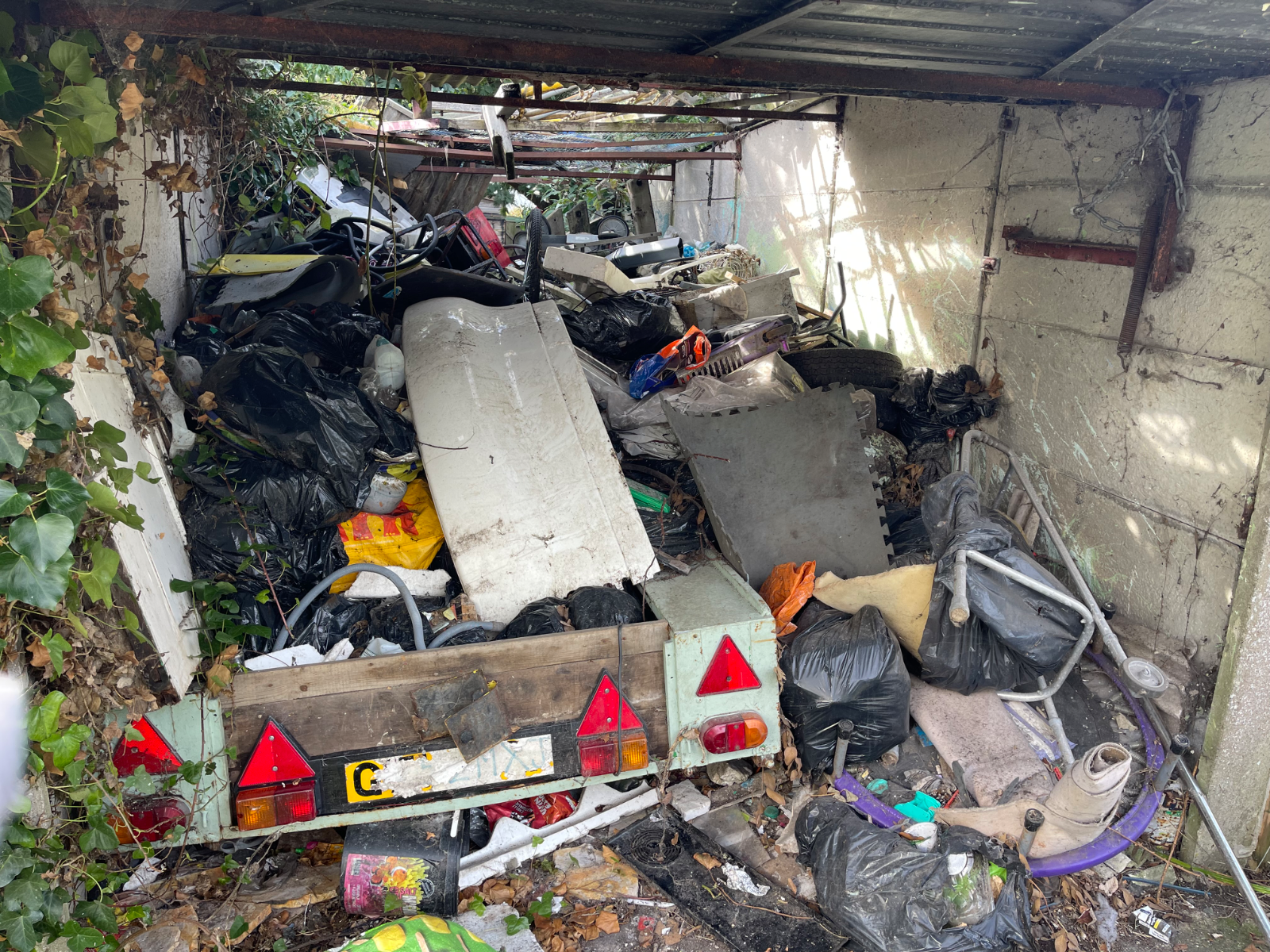
If your garden makeover also includes clearing overgrown hedges, rotten decking, or broken fencing alongside the shed, we can incorporate a broader garden clearance into the same single visit.
Preparing Your Garden for What Comes Next
Once your old shed has been dismantled and removed, you have a blank canvas to enhance your outdoor living area. Taking time to prepare the ground properly ensures lasting results for whatever you choose to build next.
Inspecting the Sub-Base
Examine the existing ground where the shed stood. If the building sat on a concrete slab, check for cracking or movement. A level, undamaged concrete pad can easily support a new summerhouse, greenhouse, or metal storage unit. If the previous shed rested on treated wooden skids or uneven paving, you will likely need to re-level the ground, lay fresh hardcore, or install a breathable gravel base.
Addressing Soil Damp and Drainage
Sheds frequently sit in unvisited corners of the garden where moisture accumulates against boundary fences. Without sunlight and air circulation, soil under rotten sheds is often saturated and sour. Dig over the compacted earth, add coarse grit if your soil is heavy clay, and let the soil breathe for a few weeks before turfing, planting, or laying new paving.
Ready to Book Your Shed Removal?
If you have a leaning, rotted, or unwanted garden building taking up valuable space, let Hampshire Waste Clearance Services Ltd take care of the hard work. We provide dependable, courteous, and efficient old shed removal & demolition in Gosport and across the surrounding Hampshire communities.
Whether it is a compact tool shed or a large garden workshop, our friendly team will dismantle it safely and dispose of the materials through licensed recycling channels. With over 333 verified Checkatrade reviews rating our service 10/10, you can count on an honest, reliable service from Jason Wake and the team.
Get in touch today to discuss your project:
- Call Jason directly: 07876 470077 - Message on WhatsApp: Send photos of your shed for a fast, fixed quote - No hidden surprises: Free, no-obligation quotes agreed upfront before work begins
Frequently asked questions
Do I need to empty my shed before your team dismantle it?+
It helps if personal items are removed, but our team can happily clear all accumulated junk, old tools, pots, and broken furniture from inside the shed as part of the job. Just let us know in advance so we can factor the internal contents into your fixed quote.
Can you take down a shed that is leaning or structurally unsafe?+
Yes. Our team are experienced in safely taking down unstable and rotted garden structures. We use controlled dismantling methods to bring leaning panels down systematically, ensuring zero damage to surrounding boundary fences, walls, or nearby plants.
Will you remove the concrete base under the shed as well?+
We regularly break up and remove rotten timber bases, paving slabs, and standard concrete footings alongside the shed structure. If you need heavy concrete breaking and removal, simply mention this when requesting your quote so we bring the correct machinery.
Where does the dismantled shed timber go?+
As an Environment Agency licensed waste carrier (CBDU165419), we take all dismantled materials to licensed Hampshire transfer facilities. Usable timber is separated for recycling into biomass or wood products, while felt and hardware are processed responsibly to minimise landfill.
Related services & areas
Get Your Free No-Obligation Quote
A firm, fixed price from Jason — we'll get back to you as soon as possible. Same-day or next-day collection may be available, subject to availability.